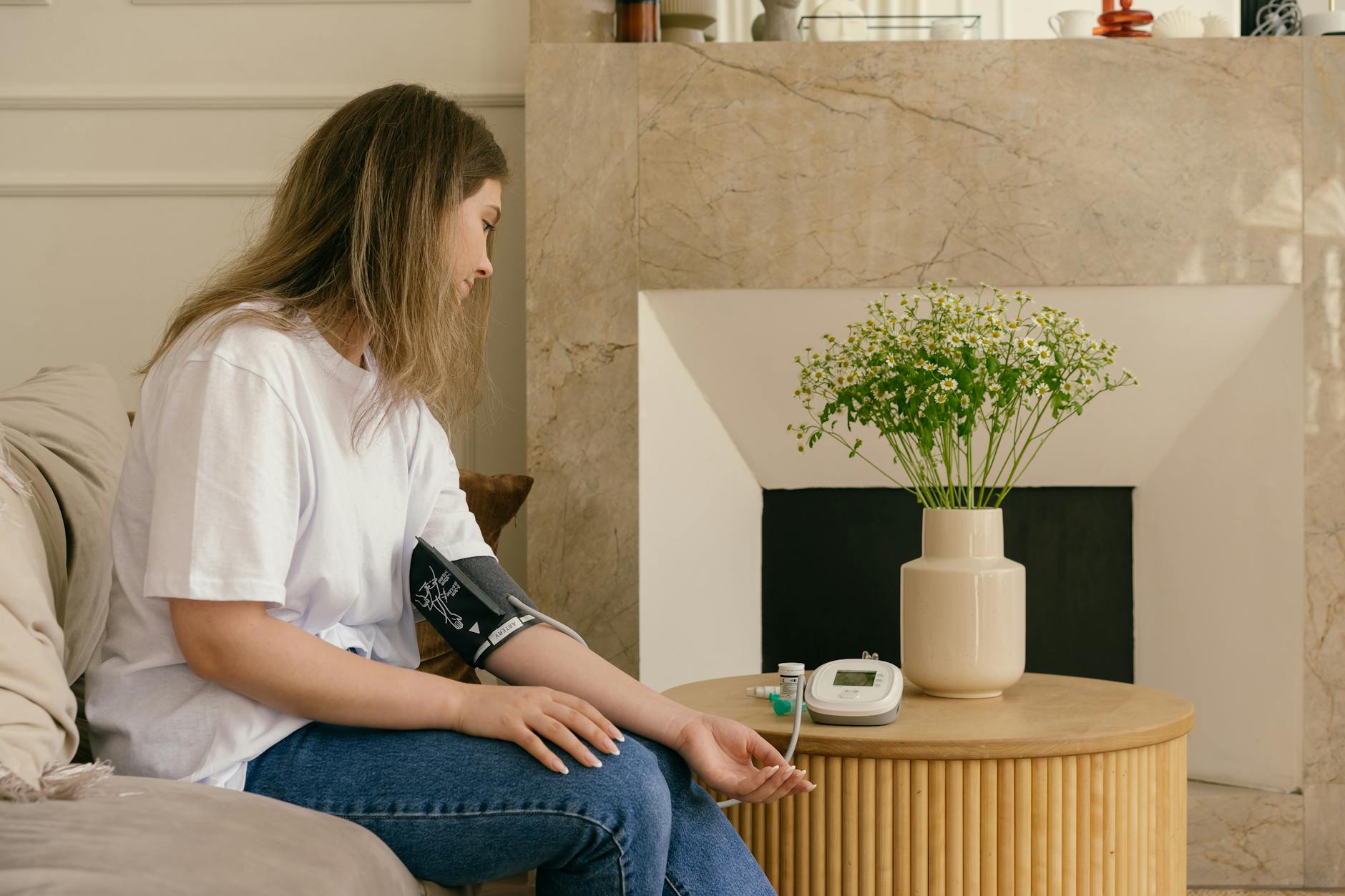
When I hit my 40s, I expected a few surprises, slower recovery after workouts, the occasional mysterious knee pop, the sudden urge to stretch in public like a cat… but blood pressure issues were not on my bingo card. And yet, here we are.
My doctor and I decided on a plan that mixes medication plus lifestyle changes to bring my numbers into a healthier range. Right now, I take Losartan in the morning and Labetalol in the evening, and while medication is doing some of the heavy lifting, I also wanted to see what I could control with daily habits. Because if there’s one thing midlife teaches you, it’s that your body responds best when you work with it, not against it.
So I’m treating this like a 30-day experiment, part science, part lifestyle shift, part “let’s see if this helps me feel more human.”
Here’s the plan:
🔹 Days 1–10: Medication Only
This is my baseline. No major nutrition changes, no exercise goals beyond what I normally do, just taking my meds consistently and logging my numbers.
This helps me understand what the medication alone is doing before adding other variables.
🔹 Days 10–20: Medication + Stress Reduction + Regular Exercise
This phase is where I actively try to calm my nervous system (which, frankly, sometimes behaves like a raccoon trapped in a pantry).
My goals:
- Add at least 20–30 minutes of walking daily
- Practice intentional relaxation (breathing, stretching, quiet moments, etc.)
- Reduce unnecessary stress where I can
🔹 Days 20–30: Medication + Stress Reduction + Exercise + The DASH Diet
The DASH diet focuses on:
- Fruits & veggies
- Lean protein
- Whole grains
- Low sodium
- Healthy fats
I’m not aiming for perfection — just closer alignment with the principles. Basically: fewer salty snacks, more colorful plants, and meals that don’t make my blood pressure rise from guilt alone.
Why Track All of This?
Because tracking helps me spot patterns:
- Do stressful days cause spikes?
- Does morning walking help?
- Is the DASH diet making a difference?
- How much impact do these changes have combined with medication?
Even small improvements matter. Lowering blood pressure even slightly can improve long-term heart health, kidney health, and overall well-being. This is me choosing future-me on purpose.
🩺 30-Day Blood Pressure Tracker
Blood Pressure Tracking Table
| BP Reading – Medication Only (Days 1–10) | BP Reading – Meds + Stress Reduction + Exercise (Days 10–20) | BP Reading – Meds + Stress Reduction + Exercise + DASH Diet (Days 20–30) |
|---|---|---|
| 1. 164/94 | 10. 160/78 | 20, 138/84 |
| 2. 166/90 | 11. 150/90 | 21. 145/75 |
| 3. 150/80 | 12. 144/90 | 22. 145/87 |
| 4. 157/88 | 13. 156/89 | 23. 160/102 |
| 5. 160/85 | 14. 138/80 | 24. 148/82 |
| 6. 140/79 | 15. 130/80 | 25. 150/98 |
| 7. 146/89 | 16. 154/94 | 26. 153/92 |
| 8. 164/84 | 17. 150/81 | 27. 140/81 |
| 9. 154/79 | 18. 142/90 | 28. 134/80 |
| 10. 148/88 | 19. 138/30 | 29. 144/78 |
Final Thoughts
If you’re a woman in midlife navigating your own blood pressure journey, you’re not alone. Our bodies are shifting, hormones are misbehaving, and stress sometimes feels like a part-time job. But here’s the good news: small changes can make a big difference.
This 30-day plan is my way of learning what works for me, not in a dramatic overhaul kind of way, but in a sustainable, realistic “I can actually keep doing this” kind of way. Did any of it miraculously cure my high blood pressure? No, but I learned that over time, I can lower it a little. And maybe I should talk to my doctor about these changes in my lifestyle and diet and show her the chart, any maybe we change my medicine. But this way I know what works and what doesn’t.
Medication is important. Lifestyle is important. And feeling empowered in your health? That’s priceless.

Leave a Reply