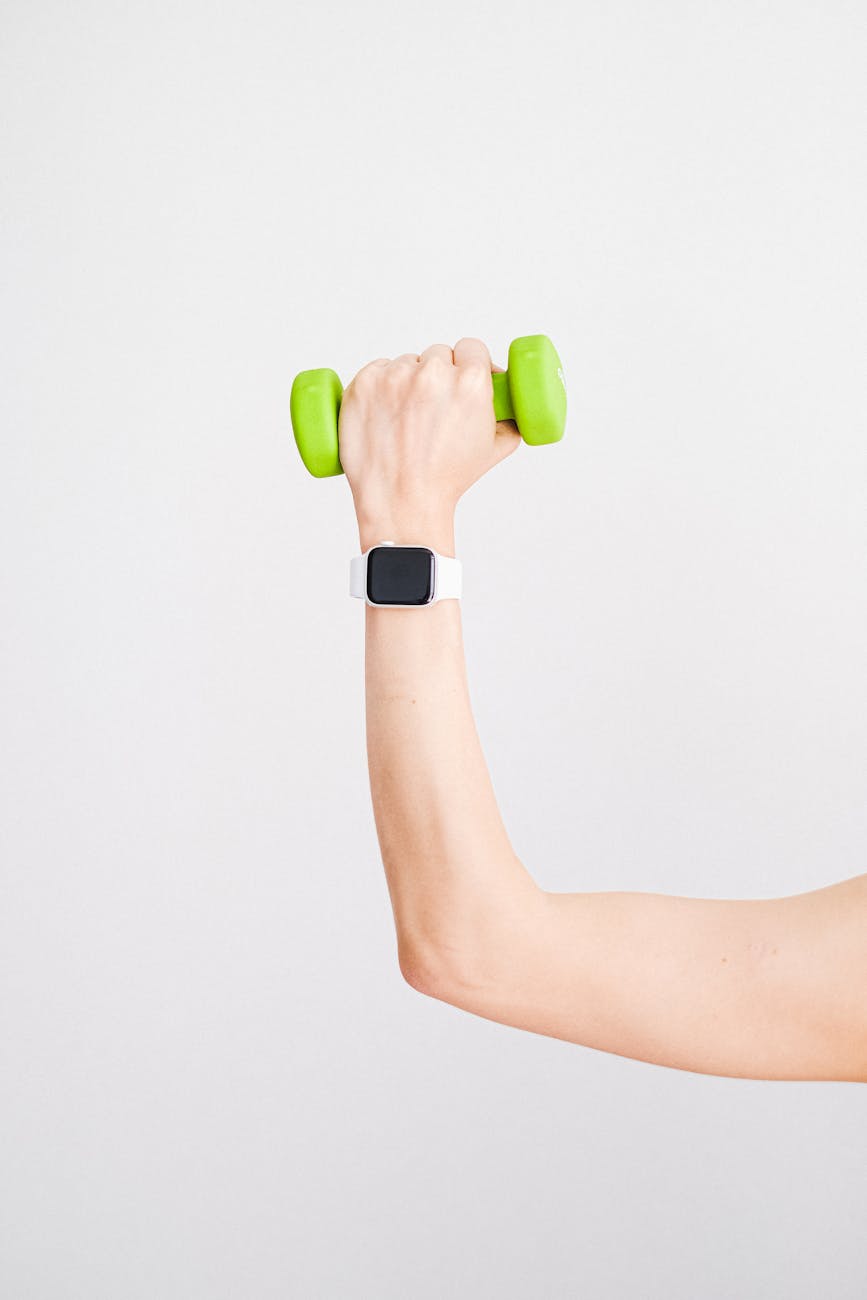
I admit it—I’ve been guilty of overthinking my workout split (upper-body/lower-body, push/pull/legs, the whole alphabet soup). But then I stumbled on a recurring theme in Reddit fitness threads: someone, somewhere always suggested the “just three full-body workouts per week” model. Three. That’s it. No extra fluff. (Yes, I checked the thread where someone said they got stronger and more consistent just doing this routine while still binge-watching their favorite show.)
Since consistency has always been my kryptonite, I decided to give it a real shot. For the next four weeks I would do exactly three full-body strength sessions per week, no extra forced cardio, no crazy volume. I would keep my usual step goal too—because yes, I still want those brisk walks and endorphin hits. And I would start where I was, not where I wished I’d be.
Why this routine works—especially after 40
When you’re in midlife, time, energy, and recovery all become precious commodities. You don’t always feel like spending two hours in the gym or turning your life into a training schedule. That’s why a simple full-body three-day-a-week plan is appealing. Quality, not quantity.
Health experts agree. According to Mayo Clinic, “You can see significant improvement in your strength with just two or three 20- or 30-minute strength training sessions a week.” Mayo Clinic And research published by Health.com found that even two body-resistance sessions weekly led to noticeable strength gains in previously non-trained adults. Health
For women over 40, this matters. We’re not just training for aesthetic goals—we’re training for strength, longevity, better posture, stronger bones, and the freedom to carry groceries, play with grandkids (or nieces and nephews), climb stairs without huffing, and stay active without pain. Doing too much or too sophisticated can lead to burn-out or injuries. Simplicity can be the greatest power.

What I tried
Here’s my schedule: Monday, Wednesday, Friday. Morning or early afternoon, depending on the day. Each session was about 45 minutes and included compound moves: a hinge (deadlift or dumbbell Romanian deadlift), a squat variation, a push (chest press, overhead press), a pull (rows), and a core/hip accessory. I warmed up briefly, lifted with intention, and then walked afterwards to hit part of my step goal.
On my non-lifting days I kept doing my step goal walks—brisk pace, treadmill, HGTV. It felt good. It felt doable. No guilt for skipping “extra sessions”. I also made sure I tracked how I felt the next day. I noticed less soreness, better mobility in my hips, and a surprising increase in midday energy (yes—this matters more than the scale).
Why it surprised me
- Less soreness, more strength: Because I wasn’t shredding isolated muscles every day, I felt fresher. I noticed I could lift a bit more in week four than week one—better form, more control.
- Step goal still alive: Far from being compromised by “only three lifting sessions,” my daily steps stayed consistent. That combo felt like a win.
- Mental refresh: Knowing I only had three “big workouts” removed the pressure. I looked forward to them instead of dreading the gym.
- Realistic maintenance: This feels sustainable. It feels like something I can live with for years—not just until I lose 10 pounds or hit a milestone.
Tips if you want to try it
- Start where you are and work from there: If you’re new or haven’t lifted in a while, aim for two days and build toward three.
- Don’t try to beat someone else—just yourself: I may do more than someone else, and someone else may do more than me—that’s okay. This is your journey, not a competition.
- Keep your step goal going: Even with lifting three times a week, movement every day matters. Whether it’s 3,000 or 7,000 steps—choose your number, track it, and stick with it.
- Use full-body moves: Squats, deadlifts, presses, rows—these hit multiple muscle groups and give you more bang for your time.
- Allow recovery: With three sessions, ensure you’re spacing them out—48-72 hours between big lifts is wise.
- Progress slowly: Increase weight, reps, or sets gradually. Quality matters more than quantity.
- Track how you feel: Strength gains are not always obvious on the scale—check how stairs feel, how you carry shopping, how your back feels at the end of the day.
Final Thoughts
If you’re a woman in midlife looking for a workout plan that respects your time, your body, and your future self, this three-day-full-body routine might just be your best friend. It balances strength, step-goals, and realism. It’s doable. It’s effective. And it keeps you moving—not just for weeks, but for decades.
I tried it, I felt the shift—even small, measured. And it reminded me that consistency beats perfection, every single time. Because you don’t need to flip your life upside down, you need to show up and do something you can stay with.
Start where you are. Lift with purpose. Walk with intention. Don’t beat yourself up comparing to others. Just become better than you were yesterday.

Leave a Reply